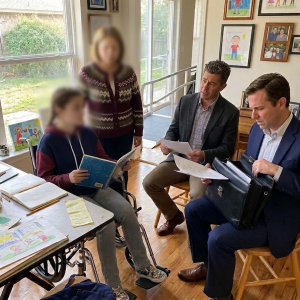
When a young girl was in school, a psychologist invited her mother in after noticing something unusual during a classroom assessment. The psychologist showed the child pictures of potatoes, carrots, and beets, then later asked her mother the same question: “What would you call these things together?” Her mother answered, “Vegetables.”
The psychologist explained that while most children grouped the pictures by category, the girl had confidently answered, “They’re soup.” Her response wasn’t technically wrong—it simply reflected how she connected the items through everyday experience rather than by their scientific classification.
The moment highlighted how children can think in creative and practical ways, drawing from what they see at home instead of following expected textbook answers. Rather than identifying the objects by type, she focused on what they naturally become when used together.
The story has since become a charming reminder that there is often more than one valid way to think about a problem. Sometimes, an unexpected answer doesn’t show a lack of understanding—it reveals imagination, life experience, and a unique perspective on the world.