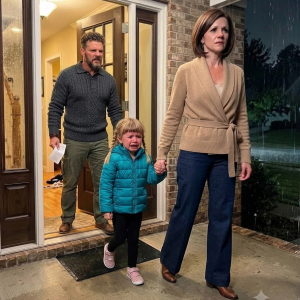
Patricia laughed at first, convinced I was bluffing. Ethan grabbed the property folder from the kitchen drawer, expecting it to prove him right. Instead, the deed listed only one owner—my name. I had purchased the house before our marriage with money from my late father’s estate, and Ethan had signed a prenuptial agreement acknowledging it as my separate property. Before either of them could recover, my attorney, whom I had already called from my bedroom, arrived with a process server carrying formal eviction notices. Their confidence disappeared in an instant.
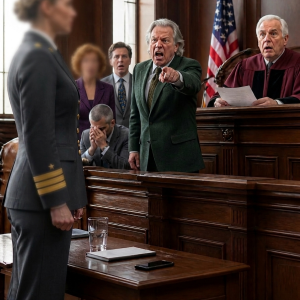
The following week, Ethan tried to challenge the ownership in court while insisting he deserved part of the property. My attorney responded with financial records, the prenuptial agreement, and evidence that Ethan had secretly transferred money into an account he shared with the woman he had been seeing for months. The judge reviewed the documents, rejected Ethan’s claims, and criticized his attempt to hide marital assets. Patricia sat silently through the hearing, realizing her plan had collapsed because she never bothered to learn the truth.
Once my fever finally broke, I returned to the house alone. The silence no longer felt lonely—it felt peaceful. I repainted the kitchen, replaced the broken dishes Ethan had smashed over the years, and donated everything he and Patricia had left behind after the sheriff completed the eviction. Every room reminded me that a home should feel safe, not like a place where fear waited around every corner.
Months later, I reopened my legal practice and rebuilt the career I had sacrificed for my marriage. One afternoon, I heard Ethan and Patricia had been forced to move into a small rental after exhausting their savings on lawyers and failed appeals. I felt no satisfaction in their downfall, only relief that I had finally chosen myself. They believed divorce would leave me homeless and broken. Instead, it gave me back my house, my profession, and the freedom they had spent years trying to take away