Three nights later, after Matthew was asleep, I opened the old financial folder I had kept for years. I added every payment I could prove—rent, medical bills, credit cards, car repairs, business transfers. The total was $18,742. Then, buried inside a stack of documents my father had once asked me to organize, I found a handwritten agreement dated six years earlier. It stated that Chloe’s debts and expenses were supposed to be repaid from a family investment account. My name was listed as the person authorized to recover the money. I stared at the signature at the bottom. It was my father’s.
I called the attorney whose name appeared beneath it. He was silent for several seconds after I explained what I had found. Then he said, “Clara, your father never told you about the second account, did he?” My stomach tightened. Apparently, years earlier, my grandfather had created an investment fund for his grandchildren. My father had been appointed administrator, but the agreement specifically required equal treatment. Instead, according to the records, thousands had been withdrawn over the years for Chloe’s expenses—while my father repeatedly told me she was struggling and needed my help. The money I had given Chloe had not been helping the family survive. It had been allowing my father to preserve an arrangement that benefited one daughter while exploiting the other.
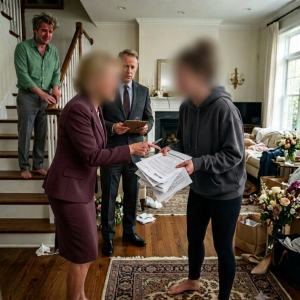
The next morning, I asked my parents and Chloe to meet me. I placed copies of the agreement, bank statements, and payment records across the table. Chloe’s face drained of color as she recognized several transactions. My father tried to dismiss everything as “family business,” but I calmly told him that the attorney had already been contacted and that I would no longer cover a single expense. Then I slid one final document across the table. “This is the repayment schedule,” I said. “You have three choices: reimburse me, resolve it legally, or explain to the attorney why you used money that was supposed to be divided equally.” For once, nobody told me that family takes care of family.
My father looked at Matthew, then at me, and finally lowered his eyes. Chloe began crying and asked whether we could “just forget everything.” I shook my head. “I spent six years paying for peace. It bought me nothing but disrespect.” I stood, took Matthew’s hand, and walked toward the door. Outside, he looked up at me and asked, “Mom, are we going to Grandpa’s house again?” I smiled. “Only if we’re invited—and only if they remember that you deserve a seat at the table.” Behind us, the people who had spent years treating my kindness like an unlimited credit card were finally forced to face the bill. And this time, I wasn’t paying it