I found out my husband of twelve years was on a dating site at 11:42 p.m. on a quiet Tuesday. At first, I thought it had to be fake—someone using his photo, pretending to be him. But the details were too personal: his favorite books, his Sunday cooking rituals, even the joke about burning pancakes that only we shared. After two years of illness, surgeries, and watching my body grow weaker, I felt something inside me collapse. Instead of confronting him, I created a fake profile and sent a simple message: “Hi.” He replied almost instantly, kind and familiar in a way that made the betrayal hurt even more.
We talked for nearly twenty minutes. Slowly, the conversation shifted into gentle compliments and thoughtful questions, enough to make my stomach twist. Then, without warning, he sent a photo of me—an old one from before the hospital rooms and endless treatments changed everything. I was laughing in the sunlight, looking like someone I barely recognized anymore. Before I could understand why he’d send it, another message appeared. It was a dating profile… with my name, my photo, and words that made my hands tremble. “My wife has spent two years fighting illness and still apologizes for being a burden,” he wrote. “I’m here asking strangers one question: how do you help someone believe they’re still worthy of love?”
I sat frozen as I scrolled through dozens of conversations he had saved. A nurse suggested daily reminders of strength. A cancer survivor shared how her partner helped her rediscover joy in small victories. A widower explained how pain can destroy self-worth if someone isn’t gently reminded they still matter. My husband had spent months collecting kindness from strangers—not for himself, but for me. While I believed I was fading into someone difficult to love, he had been quietly fighting to bring light back into my life one message at a time.
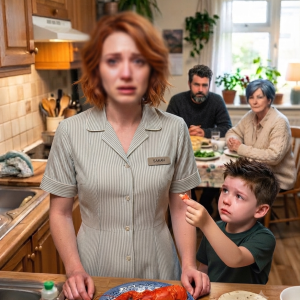
That night, I walked into the living room with tears burning in my eyes. He was sitting exactly where he always sat, a book open in his hands under the soft glow of the lamp. When I leaned against his shoulder, he wrapped his arm around me without hesitation, the same way he had through every surgery, every sleepless night, every moment I thought I was too broken to hold onto. I whispered, “You’re already doing everything right.” He looked confused for only a second before kissing the top of my head and pulling me closer, never asking questions, never demanding explanations.
I never told him I found the profile. I didn’t need to. Some kinds of love don’t need to be announced to be real. For two years, I believed I had become too much to carry, too damaged to deserve tenderness anymore. But that night changed something inside me forever. For the first time in a very long time, I stopped seeing myself as a burden. I finally saw myself the way he did—someone worth fighting for, someone deeply loved, and someone who had never been abandoned for a single moment.