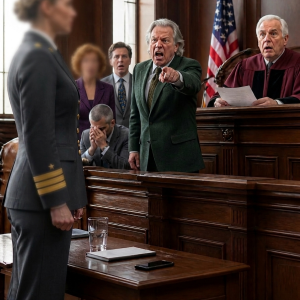
Darren shot to his feet, accusing Mr. Ellison of reading the will incorrectly. The lawyer calmly slid Grandma’s handwritten notebook across the table, explaining it had been attached to the estate as supporting evidence. Every page listed appointments, repairs, phone calls, and visits, with dates carefully recorded over the last eight years. Beside my name were hundreds of entries. Beside Darren’s were mostly broken promises, unpaid loans, and canceled visits. Grandma hadn’t relied on emotions—she had relied on facts.
Mr. Ellison continued reading. The farmhouse, savings, investments, and family heirlooms were left to me, with one condition: I was to preserve the property and establish an education trust for every great-grandchild, including Darren’s sons. “Children should never pay for the choices of adults,” Grandma had written. Darren would never control the money, but his boys would receive college tuition directly from the trust. Even after everything, Grandma had protected the innocent instead of rewarding entitlement.
My brother demanded to contest the will, insisting I had manipulated Grandma during her final years. Mr. Ellison quietly produced medical evaluations confirming she had remained mentally competent when signing every document, along with security footage, financial records, and witnesses who had observed her decisions. Darren’s own unpaid promissory notes were also included, revealing he still owed Grandma thousands of dollars she had never asked him to repay. The room fell silent as every excuse disappeared.
Before leaving, I walked onto the farmhouse porch and sat on Grandma’s old swing, the notebook resting gently in my lap. She had once told me that character is measured by what people do when no one is watching. Looking across the garden she loved, I finally understood why she kept such careful records. She hadn’t written them to punish Darren—she wrote them so the truth would outlive every lie